KVMSwitchTech
Call (216) 798-7530 Free quote

Browse by system

Video Matrix Switch Buyer's Guide: How to Route Multiple Sources to Multiple Displays

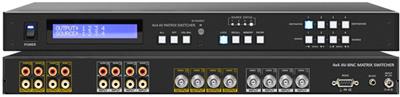
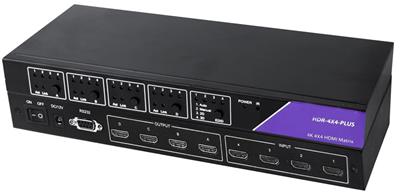
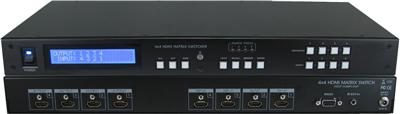
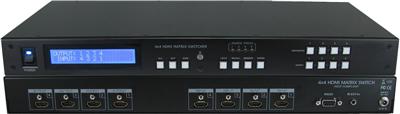
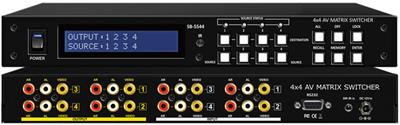
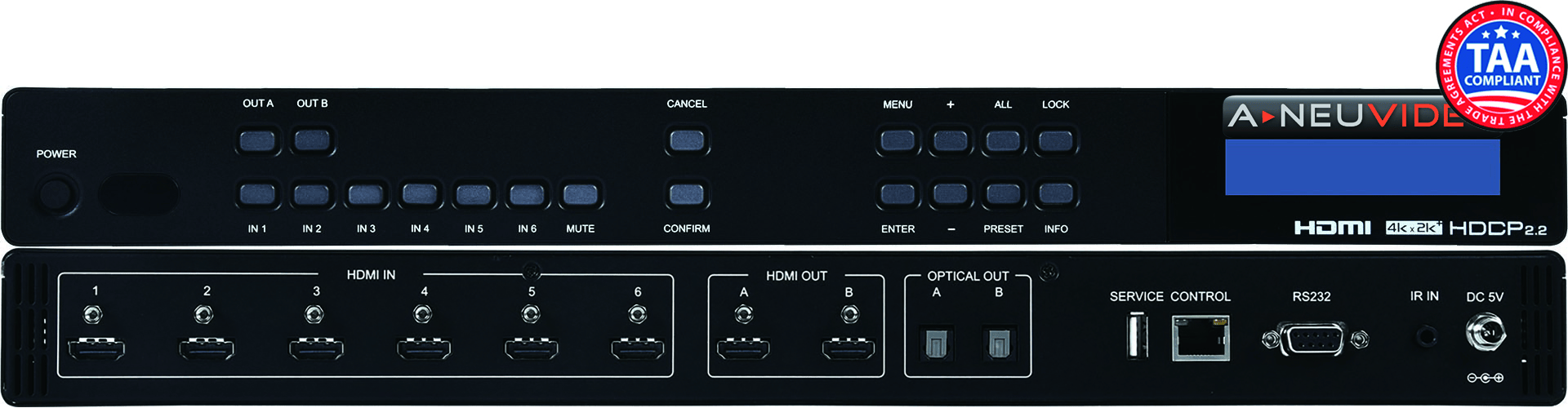
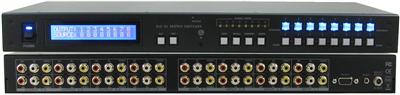
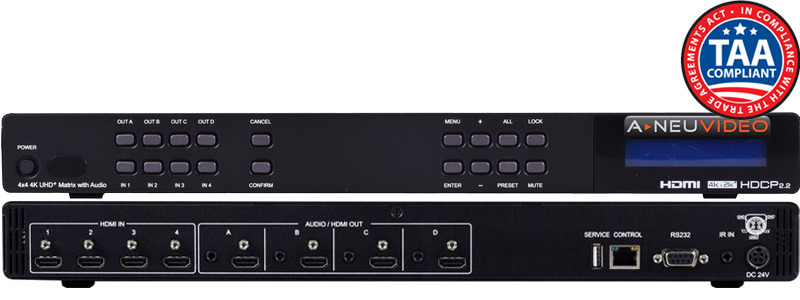
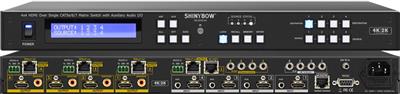
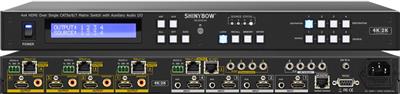
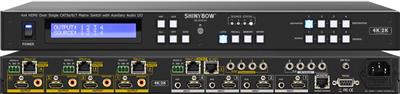
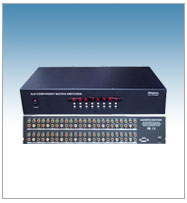
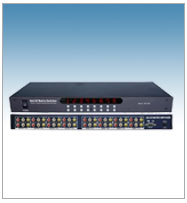
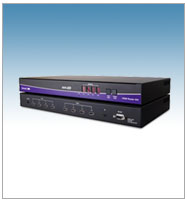
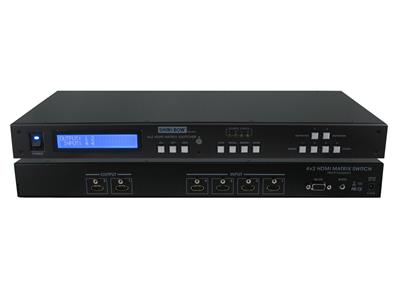
A video matrix switch routes any of its inputs to any of its outputs independently and at the same time, so an 8x8 matrix lets 8 sources feed 8 displays in any combination simultaneously. Unlike a splitter (one source to many identical displays) or a basic switch (many sources to one display), a true matrix gives every output its own independent source selection. KVMSwitchTech stocks video matrix switches across every major signal format, HDMI, DVI, VGA, component, composite, and Cat5/HDBaseT, in configurations from 4x2 up to 64x64, with 4K/UHD support and RS-232, IR, front-panel, and TCP/IP control.

Browse products

Step 1: Choose your signal format

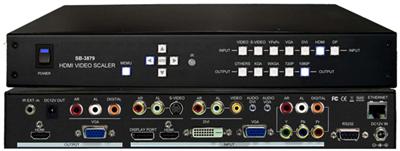
The matrix must match the video signal your sources and displays use. Pick the format below, or a multi-format modular matrix if you need to mix HDMI, DVI, SDI, VGA, and fiber in one chassis.

Step 2: Size the matrix (inputs x outputs)

Count your independent sources and your displays, then buy for growth. Matrices scale in fixed sizes, and moving up a tier later usually means replacing the unit unless you choose a modular chassis.

ConfigurationBest forTypical use case
4x2 / 4x4Conference rooms, bars, small signageA few sources to a couple of screens
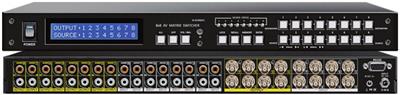
8x8Control rooms, classrooms, worshipMid-size AV distribution with independent routing
16x16Command centers, broadcast, signage networksMany sources, video-wall feeds, redundancy
32x32 / 64x64Enterprise, data center, large venuesFacility-wide routing, often with TCP/IP and fiber

Step 3: Confirm resolution, HDCP, and distance

For 4K, verify support for 4K@60Hz 4:4:4 and HDCP 2.2/2.3 if you route protected content. Native HDMI/DVI is reliable to ~15-25 ft; beyond that choose an HDBaseT matrix (single Cat5e/6/7 to ~330 ft) or pair with a fiber optic extender for runs up to 3,300 ft.

Step 4: Pick your control method

  • Front panel / IR remote – simplest, for manual switching.
  • RS-232 – integration with Crestron, AMX, or Control4 control systems.
  • TCP/IP – browser or control-system operation over the network; best for unattended and multi-site deployments.

Matrix vs. Splitter vs. Switch

DeviceSourcesDisplaysIndependent routing?
Splitter1Many (same image)No
SwitchMany1No
Matrix switchManyManyYes

Frequently Asked Questions

What is a video matrix switch used for?

It routes multiple video sources to multiple displays independently and at the same time, common in control rooms, classrooms, digital signage, broadcast, and video walls where each screen may need a different source.

What is the difference between a matrix switch and a splitter?

A splitter sends one source to many displays showing the same image. A matrix lets any source reach any display independently.

Which signal format should I choose?

Match the matrix to your sources and displays: HDMI for modern 4K gear, DVI for enterprise/medical, VGA for legacy RGB, component/composite for HDTV and SD AV, and Cat5/HDBaseT when you need to extend switched video over structured cabling.

Can a video matrix switch do 4K?

Yes. Choose a model rated for 4K@60Hz 4:4:4 with HDCP 2.2/2.3 to pass protected 4K content without dropouts.

How far can a matrix send video?

Native HDMI/DVI outputs reach ~15-25 ft. HDBaseT models extend to ~330 ft over Cat cable; fiber optic extenders push distances to 1,000 m (3,300 ft).

Can one matrix handle multiple formats at once?

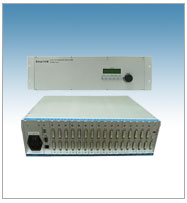
Yes. Modular multi-format matrix switches accept HDMI, DVI, SDI, VGA, and fiber input/output cards in a single chassis with TCP/IP control.

Not sure which matrix fits your deployment? Our engineers help match signal format, port count, resolution, control, and distance to your deployment. Call (216) 798-7530 for a free system design.

Filters